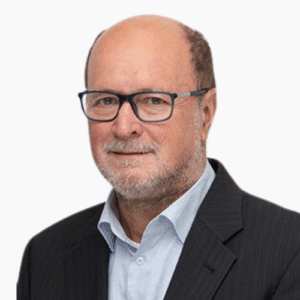
Peter Zipfel
Professor Leibniz Institute for Natural Product Research, Jena, Germany
Peter Zipfel, PhD, is Professor for Infection Biology at the Friedrich Schiller University since 2000 and he is head of the Department of Infection Biology the Leibniz Institute for Natural Product Research and Infection Biology -Hans Knoell Institute, Germany. Zipfel was the President of the European Complement Network and he is in the advisory board of the International Complement Society and he organized the 28th International Complement Workshop in the year 2021. He is also the spokesperson for the International Leibniz Research School. Dr. Zipfel has authored more than 375 research papers on Complement, Complement Factor H and complement associated diseases. He won Research Price for Basic Science from the State of Thueringen in 2004 after which he won the Heinz-Spitzbart Preis of the European Society for Infectious Diseases in Obstetrics and Gynecology and the EFIS Award Lecture at the XXXVII Annual Meeting of the Hungarian Immunological Society and in 2014 the Galenus von Pergamon Price for excellent contribution in basic research. Prior to this, he has six years of experience as a Professor of Immunobiology at the University of Hamburg.
Seminars
- Reviewing the latest clinical trial readouts, approvals and pipeline developments that are redefining the complement therapeutic landscape
- Distilling lessons from recent industry headlines, strategic collaborations and development challenges to guide future innovation and portfolio decisions
- Recapping recent development and strategizing the future of complement therapeutics
- Investigating the role of complement-mediated neuroinflammation in driving neuronal damage across diseases such as Alzheimer’s and Parkinson’s
- Demonstrating how modulation of complement pathways may reduce excessive synaptic pruning, neurodegeneration and chronic inflammation within the central nervous system
- Translating emerging biological insights into target selection, clinical strategies and therapeutic approaches that could improve long-term neurological outcomes
NEW SPEAKING ORGANIZATION